Dear All,
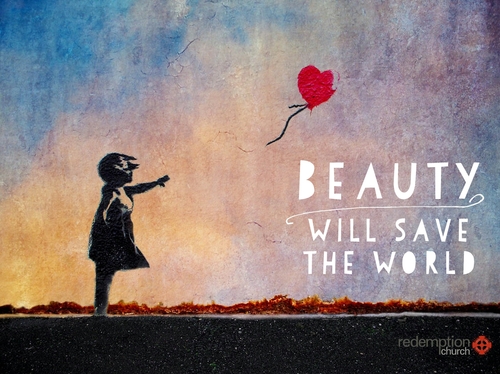
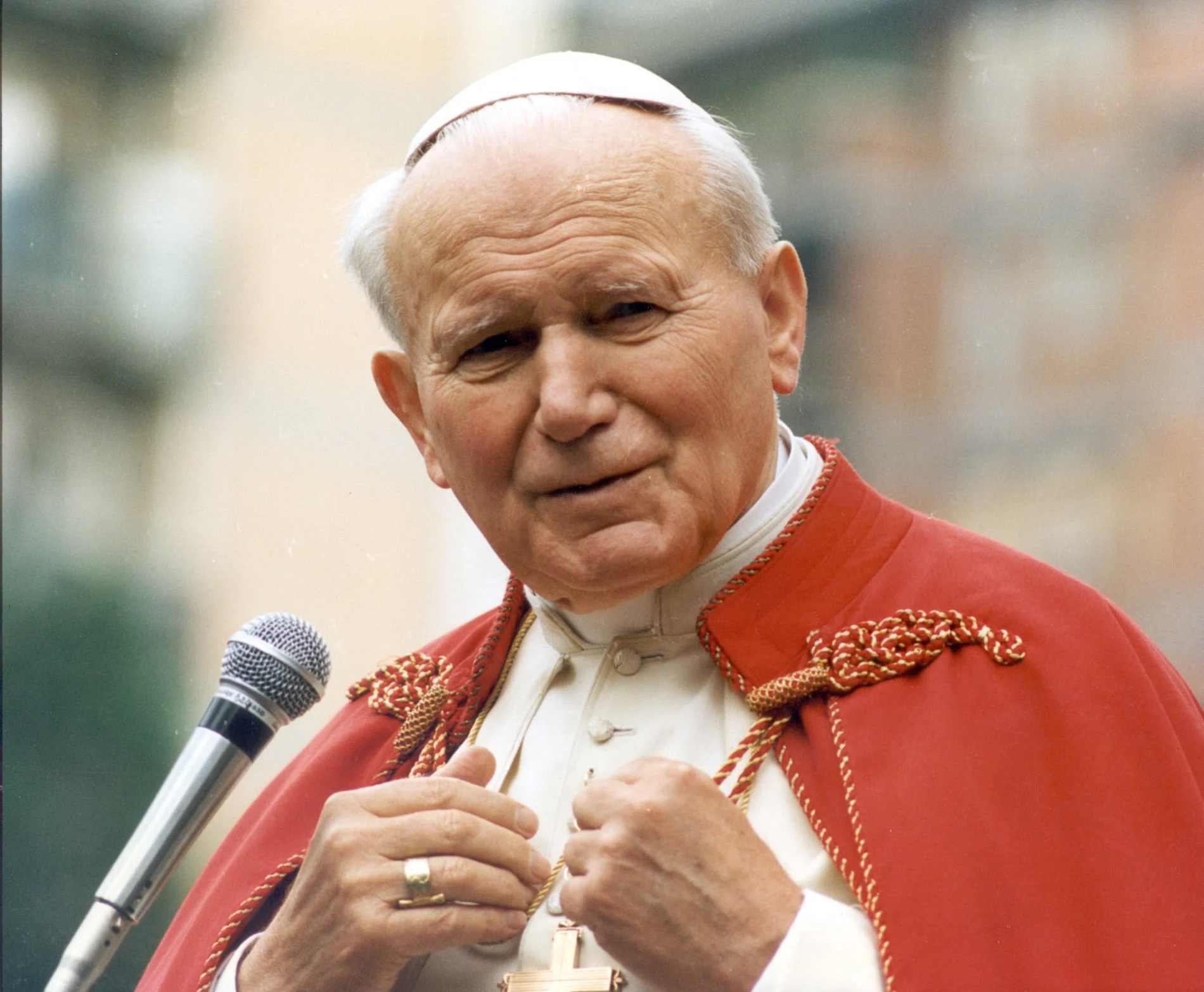
On Friday I’m due to give an online talk in the morning on the Philosophy Cafe. In my mind it’s a trailer for what I’m hoping for in the New Year, and that is a series of talks by various people on the nature of beauty. The talk I’m giving on Friday is called ‘Beauty Will Save the World;. Prince Mishkin is derided for making this claim in Dostoevsky’s book, ‘The Idiot’. It may seem absurd but it was taken seriously by such people as Solzhenitsyn who quoted it in this acceptance speech on receiving the Nobel Prize for Literature. It was also a claim made by Pope John Paul II.
Solzhenitsyn argued that when the Truth and Goodness are crushed by political oppression, beauty can still pierce through to save humanity. Pope John Paul II in his Letter to the Artists linked Dostoevsky’s claim to classical philosophy. "Beauty is the visible form of the good, just as the good is the metaphysical condition of beauty… Beauty makes truth and goodness attractive and accessible to the human heart.”
Even if you don't believe it will change the world for the better it can change us as individuals, and if there are enough of us that see beauty and feel love for beauty and thereby both think and act beautifully it may well make a difference. When you think of the alternative, turn on the news to discover what that might be, why not give it a go?
All the best, William
|
The phrase ‘elevation of the soul’ has a grand ring about it, but what does it mean in experience? Before I try to answer this entirely legitimate question, let’s become even more elevated.
In one of the Platonic Dialogues, the Phaedrus, this process is beautifully described by Socrates in mythical terms. He speaks of the soul regaining its wings in order to return to those principles that are held in the soul as dimly recognised memories. Our memory of these principles is awakened through the shadows and images perceived by the power of the senses. Socrates says that we make with musical instruments and in song the image of divine harmony, and that the pleasure and satisfaction we feel in the presence of beautiful symmetry is because that form is an image of the perfect ideal of beauty.
That’s quite some assertion and certainly requires further explanation, exploration and justification. Within our own experience nobody can deny that there are times when our hearts are lifted by divine music. We can be stunned by the sheer beauty of great architecture. Most of us have had some experience of that.
A number of years ago I tried to buy a house. The owner was, a mass of contradictions. By the time I met him he was in his late sixties, but when he was younger he had been one of the best known revolutionaries in the country. His life had been dedicated to socialism. Apart from his love for revolution, he had a love of music and architecture. One of his joys was to go off on country walks and stop off at the country churches he came upon.
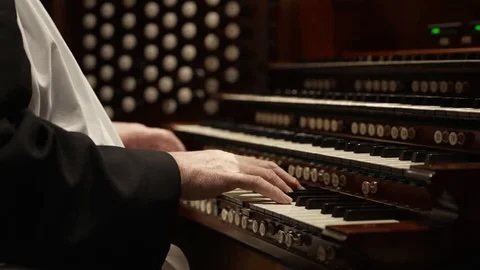
‘Not that I like anything to do with the Church, but I do love the quality of the craftsmanship. It has a beauty.’ He was very insistent that I should know this. What he also loved was church music, and he would try his hand whenever he found the organ unlocked in those churches he visited
On one occasion the vicar at one of these churches where he was ‘trying his hand’, on hearing the organ being played, burst into the church and demanded to know whether he was available to play at the services. ‘I’m desperate for an organist!’, he said.
Before he knew quite what had happened, this avowed Marxist had agreed to play the organ every Sunday. His love of harmony couldn’t be denied, and there he sat playing the organ for the congregation without anyone appreciating anything of his revolutionary credentials.
His memory of those principles of which Plato speaks had been aroused and, having been aroused, had to be expressed. He never took down the prized photograph he had of himself shaking hands with Mao. He was quite happy to live with the apparent conflict of ideology.
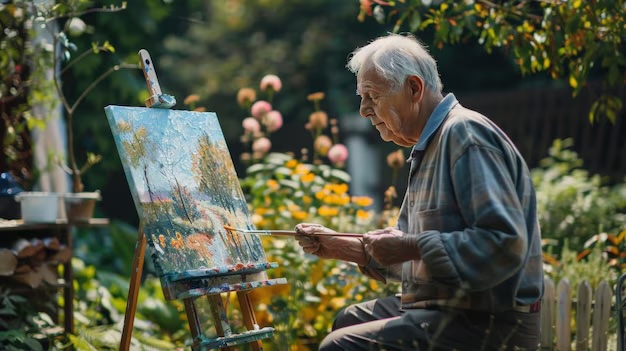
Regardless of the dogma, he was free enough to respond to that memory and allow conflict to give way to harmony. Last I heard of him he had moved to the beauty of Suffolk, Constable Country, in order to spend his retirement painting landscapes - revolution of a kind.
Practice
Whenever the memory arises, respond. Don’t allow the constraints we all lay upon ourselves to blot out that memory.
Give the response time, seek it out even. Listen to music. Go to galleries. Above all be aware of the beauty of what’s around you. Allow this awareness to feed your soul and bring mind and body into harmony.
|