Dear All,
After walking in the morning sun I was looking at the photo of the sun low in the sky in last week’s email. People love sun bathing. Although 'mad dogs and Englishman go out in the midday sun', it's something to be avoided. The early morning sun ls different however. I have a friend who is a nature photographer. He calls it the golden hour. You can undertand why. The rays of low sun gild everything. There’s a sonnet by Shakespeare which starts with these four lines:
Full many a glorious morning have I seen
Flatter the mountain-tops with sovereign eye,
Kissing with golden face the meadows green,
Gilding pale streams with heavenly alchemy;
The idea of the sun being an all seeing eye is a much repeated image in classical literature. In the reflection below is a translation by Shelley of Homer's Hymn to Apollo, the god of the sun. Here’s the opening two lines
I am the eye with which the Universe
Beholds itself and knows itself divine.
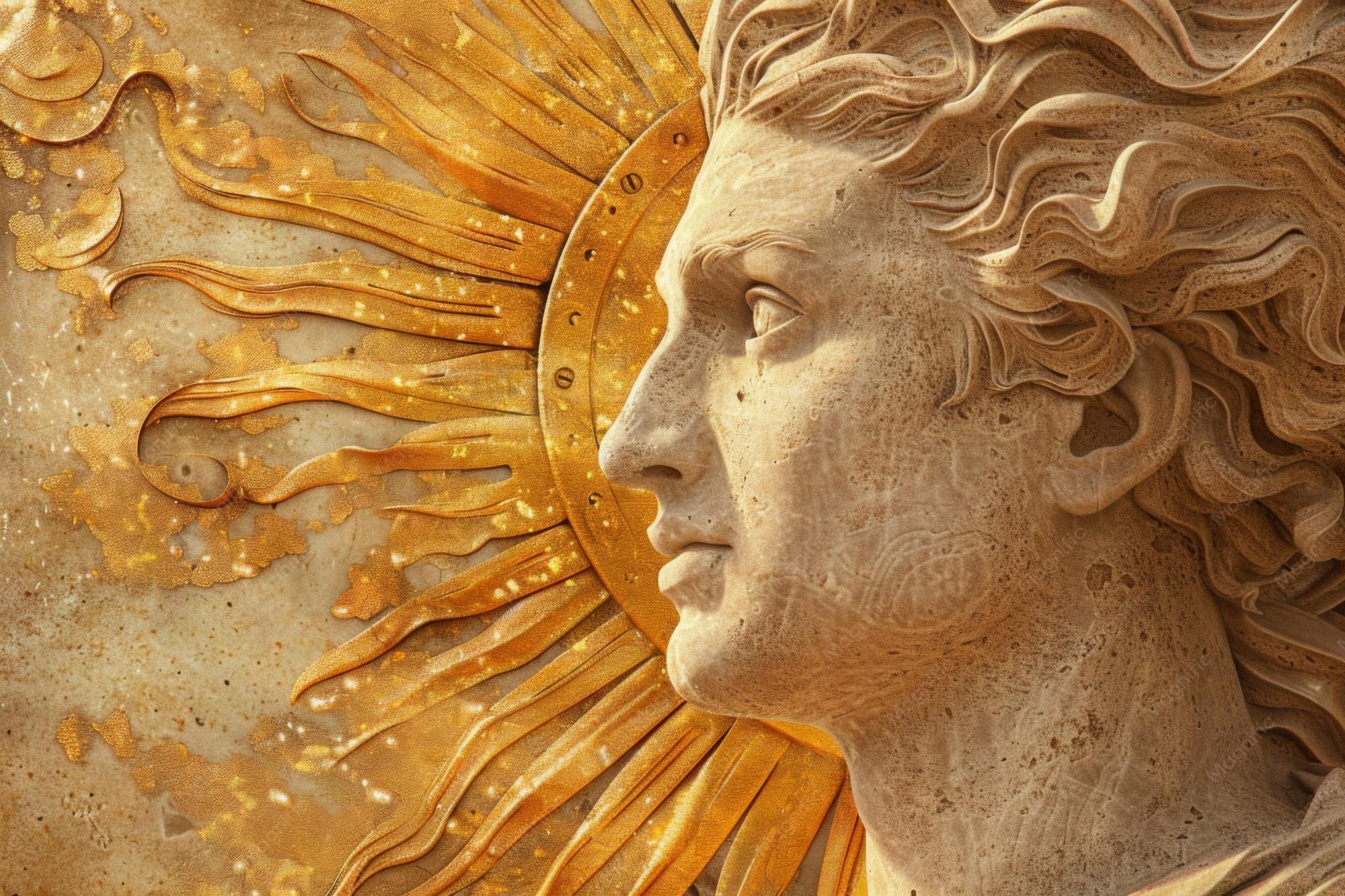
But that sun is not just what you find out there in the morning sunlight. There’s also the inner sun, the light of consciousness. This is born out by a couple lines from a poem by Goethe,
Were the eye not of the sun
How could we behold the light?
It’s this inner sun that Marcus Aurelius refers to when he writes:
Your days are numbered. Use them to throw open the windows of your soul to the sun. If you do not, the sun will soon set, and you with it.
Good advice.
Best wishes, William
PS Coming up soon will be a series of events on the theme of Living in Harmony ith Nature. All welcome Click on this link for full detai;s: https://schoolofphilosophy.org/pages/harmony-with-nature

|
The Light of the Mind
Although doctors are no longer bound by the Hippocratic Oath, it is still the most fundamental text when it comes to medical ethics. Hippocrates, the most famous of all doctors, makes a very interesting point about medicine. He claims that:
Medicine is related to prophecy, because our ancestor Apollo is the father of both arts.
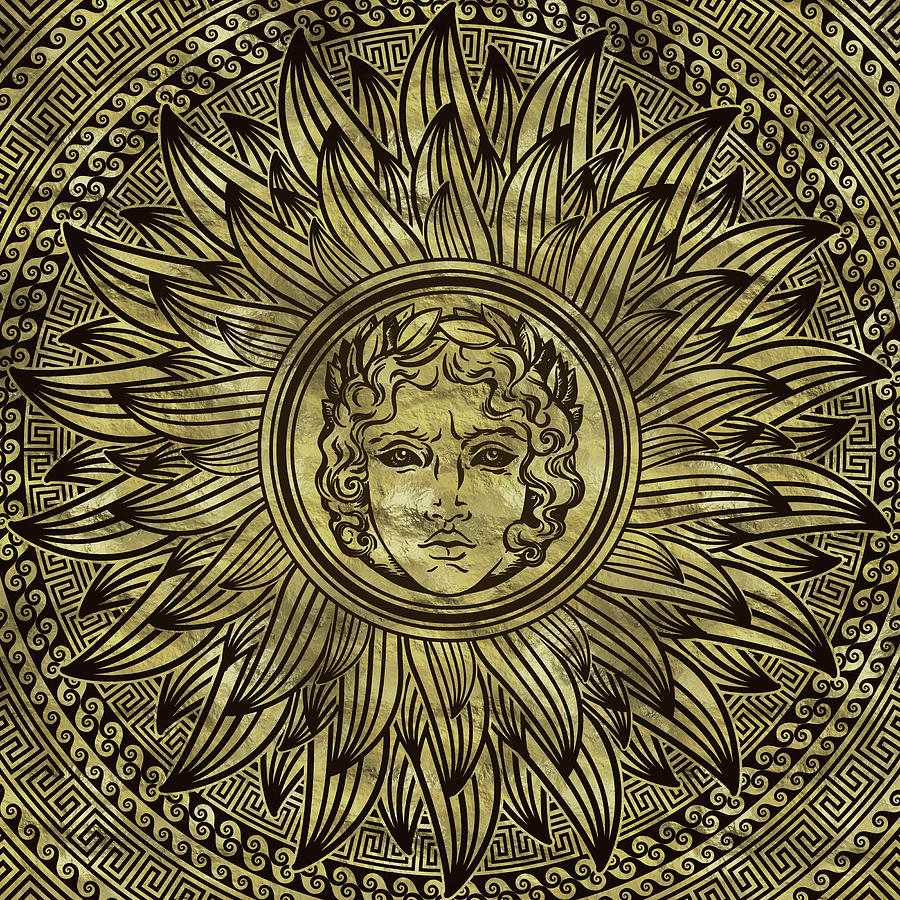
Apollo was the sun god to the Greeks. He was also the father of the same Asklepios, the god of healing. Apollo is best known for being the patron of prophecy, music, poetry and the healing arts. Again you can see how classical thinking intimately links health of mind and body with the inspiration art can provide.
But where does prophecy come in? Prophecy is concerned with the law of cause and effect. A prophet knows that the modes of thinking we adopt now will have their inevitable results in the future. Therefore, when dealing with our negative tendencies, he will endeavour to heal by bringing measure to our minds through the application of reason, and fullness to our hearts through the power of love.
It is little wonder that Apollo was identified with the sun, for the sun has always been held as the physical manifestation of the light of consciousness.
For Shelley, like so many poets before him, Apollo was ‘the eye with which the universe beholds itself.’ Here he is translating Homer:
I am the eye with which the Universe
Beholds itself and knows itself divine;
All harmony of instrument or verse,
All prophecy, all medicine is mine,
All light of art or nature; – to my song
Victory and praise in their own right belong
Practice
Be aware of light: the light of the sun that bathes us continually, the light of the moon, the light of the stars, fire light, the light of a candle.
When there is no light, when there is complete darkness or when you close your eyes, be aware of the light of the mind. Connect with the Apollo within.
|